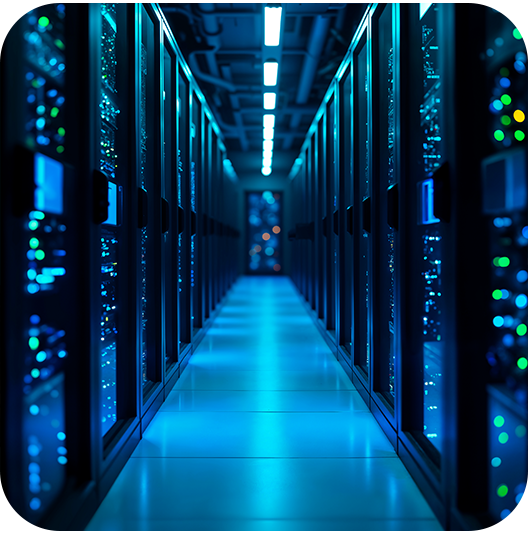

What is a Tier III Data Center?
A Tier III data center is an enterprise-grade facility designed with redundant power, cooling, and network infrastructure to support high availability and continuous operations. It allows maintenance to be performed without shutting down critical systems, making it a preferred choice for organizations running business-critical applications.
Every digital service from online banking and healthcare systems to manufacturing platforms and enterprise applications depends on the reliability of the infrastructure behind it. While cloud services often receive most of the attention, the physical data center remains the foundation that keeps applications running securely and continuously.
Not all data centers are built to the same standard. Some are designed for basic hosting requirements, while others are engineered to support organizations that cannot afford unexpected downtime.
A Tier III data center represents an enterprise-class infrastructure standard that provides greater resilience, redundancy, and operational reliability. It enables organizations to operate critical workloads while allowing maintenance activities to be performed without interrupting business operations.
For businesses evaluating long-term IT infrastructure, understanding data center tiers is an important step in selecting the right technology partner.
What is a Data Center?
A data center is a secure facility that houses servers, networking equipment, storage systems, and supporting infrastructure required to deliver digital services.
Modern data centers provide the physical foundation for cloud computing, enterprise applications, databases, websites, disaster recovery environments, and AI workloads.
Services such as Enterprise Cloud Solutions rely on resilient data center infrastructure to deliver secure, scalable, and highly available computing resources.
Understanding Data Center Tiers
The Uptime Institute introduced a tier classification system that helps organizations understand the resilience and availability of different data center designs.
Tier | Description | Typical Availability |
Tier I | Basic infrastructure with limited redundancy | Suitable for small businesses |
Tier II | Redundant components for improved reliability | Better fault tolerance |
Tier III | Concurrently maintainable infrastructure with redundant systems | Enterprise-grade availability |
Tier IV | Fully fault-tolerant infrastructure with multiple independent systems | Maximum resilience |
What Makes a Tier III Data Center Different?
A Tier III data center is designed so that planned maintenance can be performed without interrupting critical IT services.
Unlike lower-tier facilities, redundant infrastructure allows maintenance on power, cooling, or networking systems while production workloads continue operating.
This significantly reduces operational risk for organizations that depend on continuous digital services.
Key Characteristics of a Tier III Data Center
High Availability
Enterprise applications often require continuous uptime.
Tier III infrastructure is designed to minimize service interruptions through redundant systems and resilient architecture, helping organizations maintain reliable digital operations.
Redundant Power Infrastructure
Power disruptions are among the leading causes of IT outages.
Tier III facilities include multiple power paths and backup systems that continue supplying electricity even during maintenance or unexpected utility failures.
Redundant Cooling Systems
Servers generate significant heat during operation.
Redundant cooling systems help maintain optimal operating temperatures while ensuring maintenance activities do not affect production environments.
Network Resilience
Reliable connectivity is essential for modern digital services.
Enterprise-grade networking infrastructure, including services such as Virtual Private Cloud (VPC) supports secure communication between applications, users, and cloud resources.
Physical Security
Tier III facilities implement multiple physical security controls such as controlled access, surveillance, monitoring, and environmental protection to safeguard critical infrastructure.
Why Tier III Matters for Enterprises
Organizations increasingly rely on digital platforms to deliver products, services, and customer experiences.
Even short periods of downtime can affect revenue, customer satisfaction, and operational productivity.
A Tier III data center helps organizations:
- Improve infrastructure reliability
- Reduce planned downtime
- Strengthen business continuity
- Support mission-critical applications
- Build a resilient digital foundation
Businesses hosting applications through Elastic Cloud Servers (ECS) benefit from the resilience provided by enterprise-grade data center infrastructure.
Industries That Benefit from Tier III Infrastructure
Banking & Financial Services
Banks require highly available infrastructure to support digital banking, payment processing, and customer services with minimal disruption.
Healthcare
Hospitals and healthcare providers rely on continuous access to electronic medical records, clinical systems, and patient services.
Manufacturing
Manufacturers depend on uninterrupted infrastructure to support ERP systems, production planning, inventory management, and operational analytics.
Government
Public sector organizations require resilient infrastructure capable of supporting essential digital services and citizen platforms.
Tier III and Business Continuity
Business continuity depends on more than backups.
Organizations require infrastructure capable of remaining operational during maintenance, hardware failures, or unexpected events.
Combining resilient infrastructure with Backup & Disaster Recovery solutions helps organizations reduce recovery times and strengthen operational resilience.
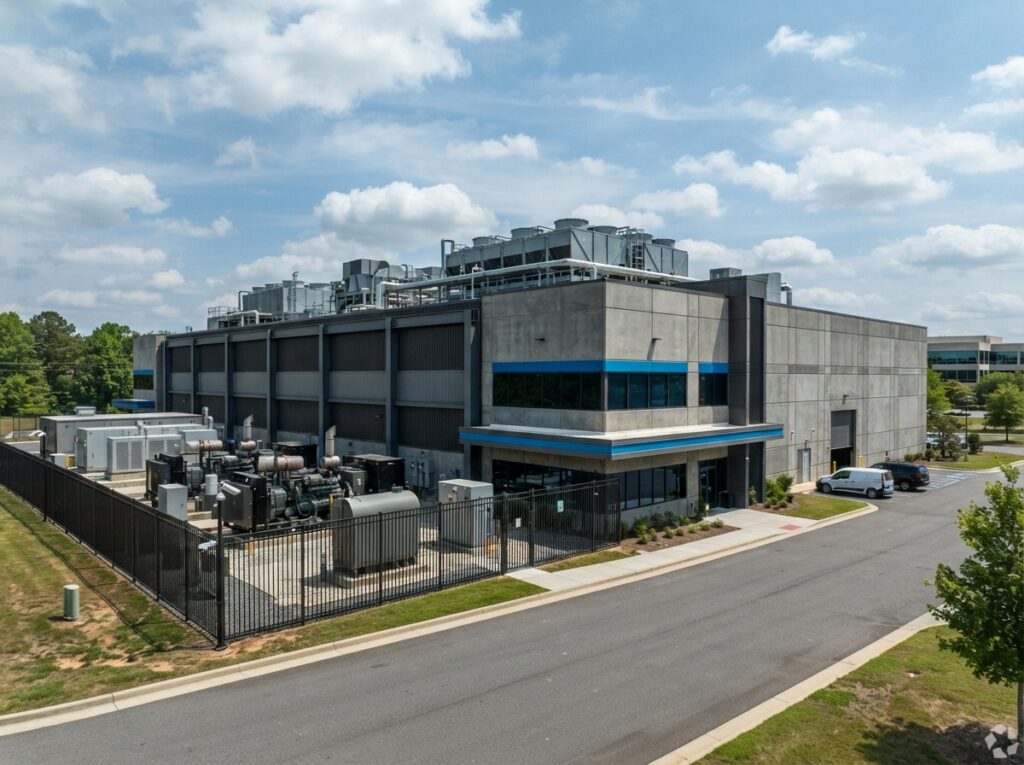
Tier III and Cloud Infrastructure
Cloud infrastructure is only as reliable as the data center supporting it.
Organizations adopting cloud technologies should evaluate the underlying facilities where their applications and data will be hosted.
Enterprise cloud environments built on Tier III infrastructure provide greater confidence for organizations running business-critical workloads.
Companies planning long-term modernization often combine Tier III facilities with AI Infrastructure to support high-performance computing, analytics, and future AI initiatives.
Choosing a Data Center Provider
When evaluating a data center provider, organizations should consider more than facility specifications.
Important questions include:
- Is the infrastructure designed for enterprise workloads?
- What redundancy is available?
- How is physical security managed?
- What disaster recovery capabilities are supported?
- Can the infrastructure scale as the business grows?
- Is local technical support available?
- Does the provider support future technologies such as AI and high-performance computing?
Selecting the right provider is a long-term infrastructure decision that should align with business objectives as well as technical requirements.
Table of Index
- What is a Tier III Data Center?
- What is a Data Center?
- Understanding Data Center Tiers
- What Makes a Tier III Data Center Different?
- Key Characteristics of a Tier III Data Center
- Industries That Benefit from Tier III Infrastructure
- Tier III and Business Continuity
- Tier III and Cloud Infrastructure
- Choosing a Data Center Provider
- Key Takeaways
Frequently Asked Questions
Answers to common questions about Tier III data centers.
A Tier III data center is an enterprise-grade facility designed with redundant infrastructure that allows maintenance without disrupting critical IT services.
Tier III infrastructure improves availability, resilience, and business continuity, making it suitable for organizations operating mission-critical applications.
No. Tier III significantly reduces planned downtime through redundant infrastructure but does not eliminate every possible cause of service interruption.
Yes. Many enterprise cloud platforms operate from Tier III facilities because they provide the resilience required for business-critical workloads.
Banking, healthcare, manufacturing, government, telecommunications, retail, logistics, and other organizations operating critical digital services.
Redundant power, cooling, networking, and infrastructure design reduce operational disruptions while supporting maintenance without affecting production systems.
Not necessarily. Tier IV offers greater fault tolerance but also higher costs. For many enterprise organizations, Tier III provides the optimal balance between availability, resilience, and investment.
For businesses with data residency, latency, or operational requirements, locally hosted enterprise infrastructure may provide additional operational advantages.
Key Takeaways
- Tier III data centers are designed for enterprise-grade availability and operational resilience.
- Redundant infrastructure enables maintenance without interrupting critical services.
- Reliable data center infrastructure supports cloud computing, AI, business continuity, and digital transformation.
- Organizations should evaluate both infrastructure design and long-term operational capabilities when selecting a data center provider.
- Enterprise infrastructure begins with a resilient data center foundation.
Who powers the Indus Cloud ecosystem












Ready to Modernize Your Enterprise Infrastructure?
Whether you’re planning a cloud migration, expanding digital services, or preparing your organization for AI-driven innovation, Indus Cloud provides enterprise-grade cloud infrastructure designed to support your business today and into the future.